From Registration to Democratic Agency
Democracy does not begin and end at the ballot box. It lives in informed citizens, organised communities, collective citizens and institutions that remain accountable between elections.
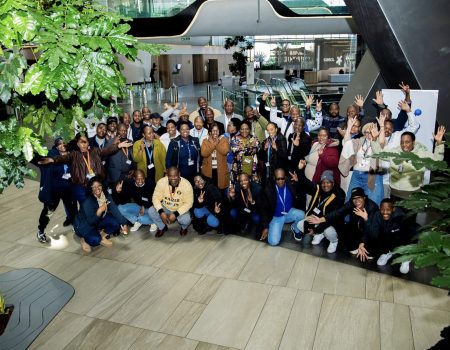
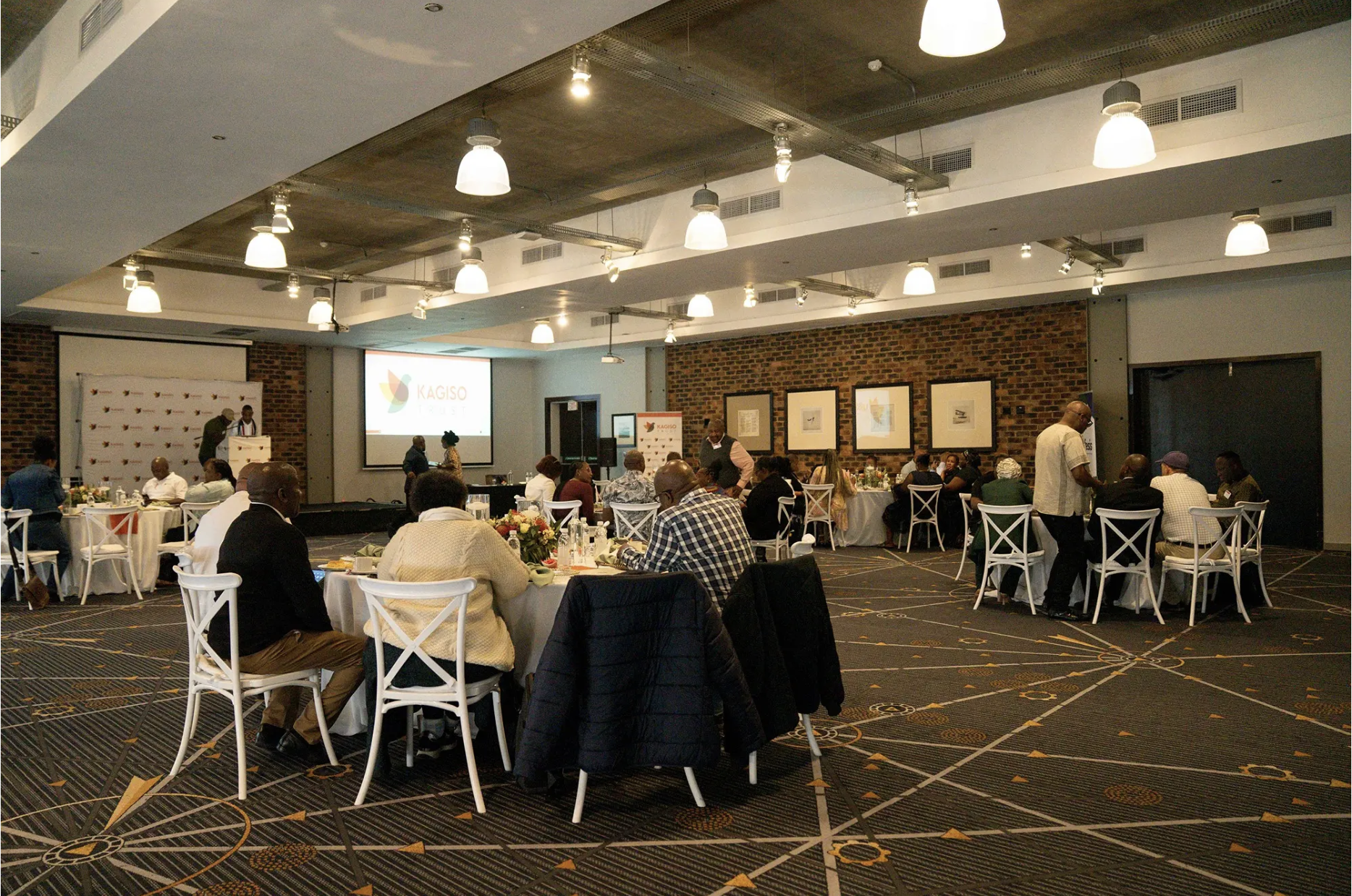
In preparation of the South African 2026 Local Government Elections on 4 November, Kagiso Trust has officially launched its national Civic, Political and Voter Education programme. Launched on 26 August 2026 in Johannesburg, the initiative represents far more than an election-season campaign. It is a dedicated, long-term proposition to build a permanent, citizen-centred democratic infrastructure that bridges the gap between casting a ballot and holding power to account.

“The ballot is indispensable, but democracy cannot be reduced to a single day at the ballot box,” Rev. Nevhutalu stressed. “A functioning democracy requires citizens who understand how institutions work, how decisions are made, how public resources are allocated and how communities can organise, deliberate, participate and hold leaders accountable.”
A Collective Pact to Rebuild Democracy
A defining cornerstone of the national launch was the tabling of the Civil Society Commitment to Rebuilding Democracy and its solemn Preamble. Rather than acting as mere observers or passive commentators, participating civil-society formations, community-based organisations and faith leaders are called upon to affix their signatures to this declaration.
Signing the Preamble serves three vital purposes:
- Take collective responsibility for strengthening democratic participation and public trust.
- Protect non-partisan civic space by acting in the public interest and holding institutions and political actors to consistent democratic standards.
- Strengthen accountability by promoting peaceful participation, addressing misinformation and remaining engaged beyond Election Day.
The intention is to build a shared platform through which civil society can continue supporting constitutional democracy across communities and provinces.
Taking Democracy to the Community
For Kagiso Trust, the commitment must translate into practical work on the ground.
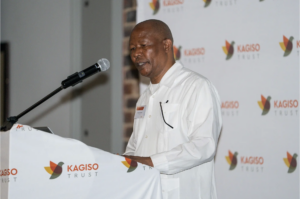 As outlined by Boichoko Ditlhake, Kagiso Trust Civil Society Programme Head, the programme is being implemented through community outreach, civic education and organising across all nine provinces, with particular attention to communities that can be excluded from civic dialogue, including young people, rural communities, farm workers, informal settlements and persons with disabilities.
The programme consists of five pillars:
Know – understand your rights, local government structures and the electoral process.
Question – interrogate claims, manifestos and political messaging.
Participate – vote, attend community and ward structures, speak up and submit petitions.
Organise – build networks and collective platforms within communities.
Account – follow municipal plans and budgets, monitor service delivery and track commitments.
Kagiso Trust is also rolling out a Civic Handbook and community organising toolkits and will also be distributing the #StartWhereYourAre toolkit, giving communities practical resources to better understand Integrated Development Plans, municipal budgets, civic processes and lawful forms of community action.
The programme also includes work to strengthen communities’ ability to identify misinformation and political incitement, while supporting peaceful participation during the election period. Trained provincial observers will work alongside civil-society partners on 4 November to observe voting processes.
Democracy Must Continue Between Elections
The programme builds on Kagiso Trust’s long-standing commitment to strengthening communities and supporting citizens to participate meaningfully in the development of their societies.
Reflecting on the legacy of former Kagiso Trust Chief Executive Eric Molobi, who cautioned against civil society stepping away once democratic government was established, the programme reinforces a simple principle: democracy requires continued participation.
As Ditlhake puts it: “The vote is a moment. Citizenship is a practice. Democracy survives only when citizens remain present between elections.”
On 4 November, South Africans will exercise their democratic right at the ballot box. But the work of citizenship does not end when the votes are counted.
It continues in communities, council chambers, ward forums and conversations about the services and opportunities that shape people’s everyday lives.
Kagiso Trust invites civil-society organisations, community formations and citizens to participate, sign the commitment and remain engaged, before, during and beyond the elections. Its starts with each one of us, it #StartsWhereYouAre